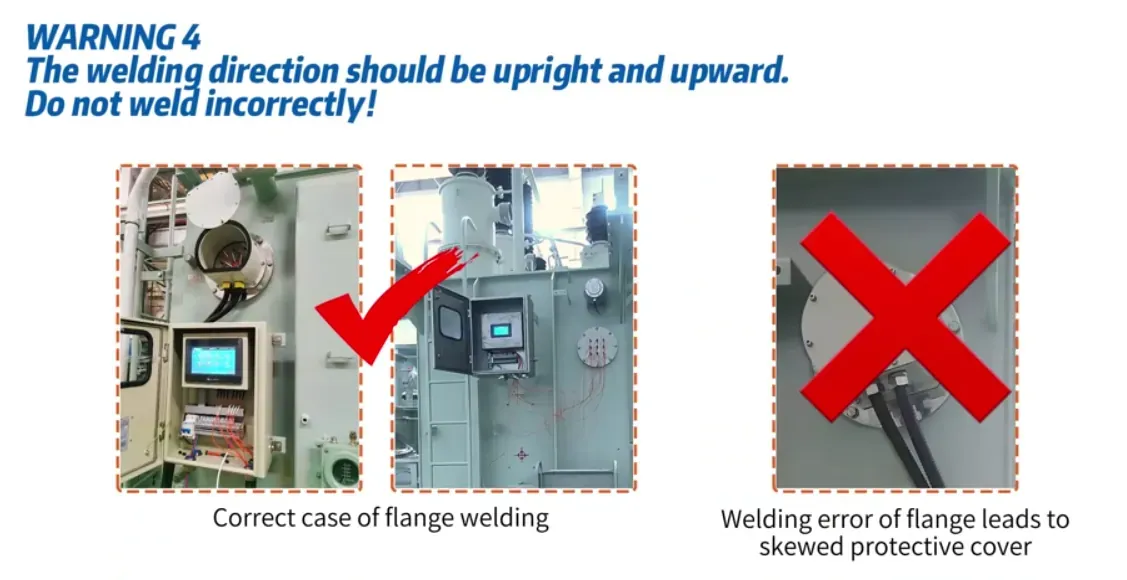
Furnace Transformer Temperature Monitoring Guide
Plan furnace transformer temperature monitoring with fiber optic sensors: winding measurement points, probe installation, channel selection and PLC / SCADA integration.
 info@innofj.comContact Engineering
BLOG CATEGORY
Explore practical questions about winding temperature measurement, sensor placement and transformer construction.
Explore focused guidance for engineers comparing fiber optic temperature measurement options and planning a practical application.
Plan furnace transformer temperature monitoring with fiber optic sensors: winding measurement points, probe installation, channel selection and PLC / SCADA integration.
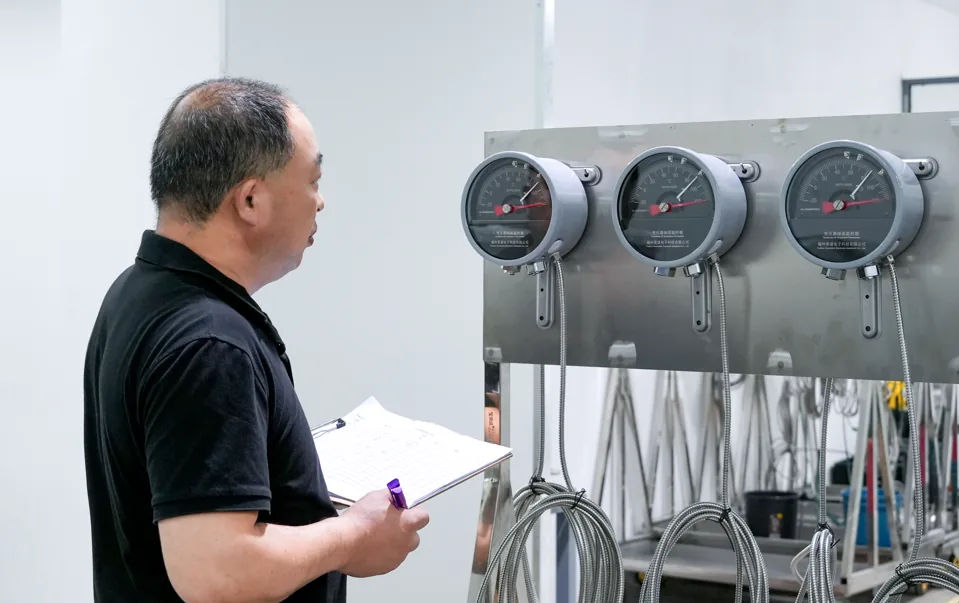
Compare transformer oil temperature gauges (OTI) and winding temperature gauges (WTI): six differences in readings, ranges, load response and direct measurement.
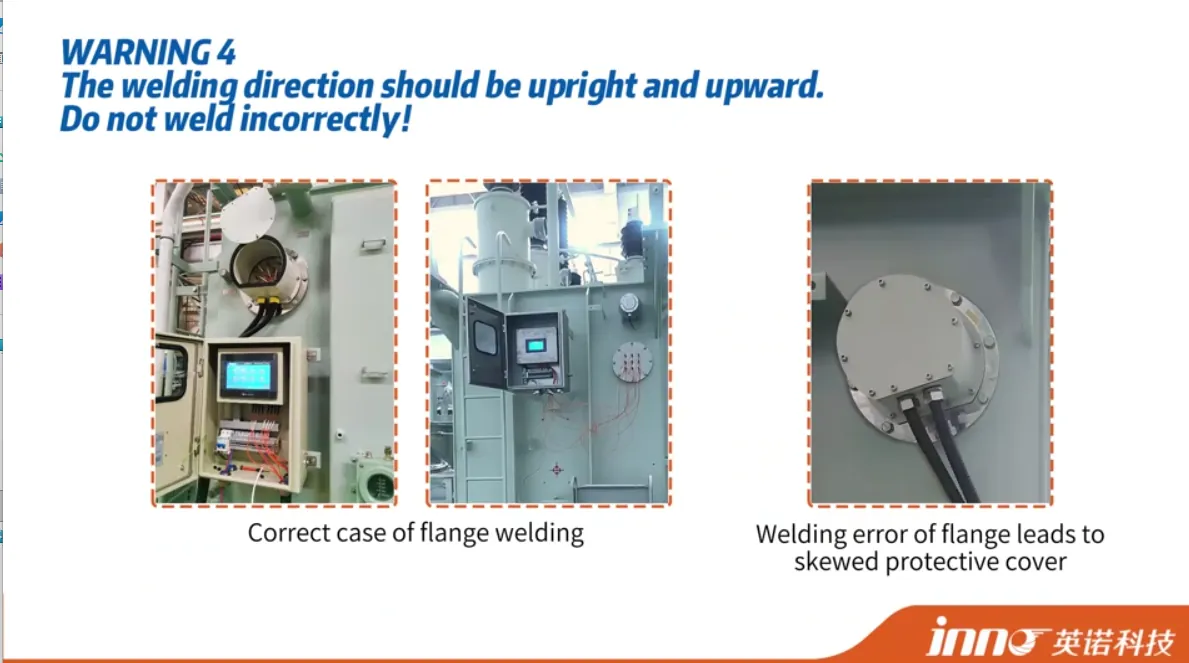
Learn what transformer temperature rise means, how winding and top-oil temperatures are measured, how temperature rise tests work, and how direct monitoring is used.
Learn how winding temperature, hot spots, moisture and operating conditions affect transformer ageing and insulation life, and how temperature is monitored.
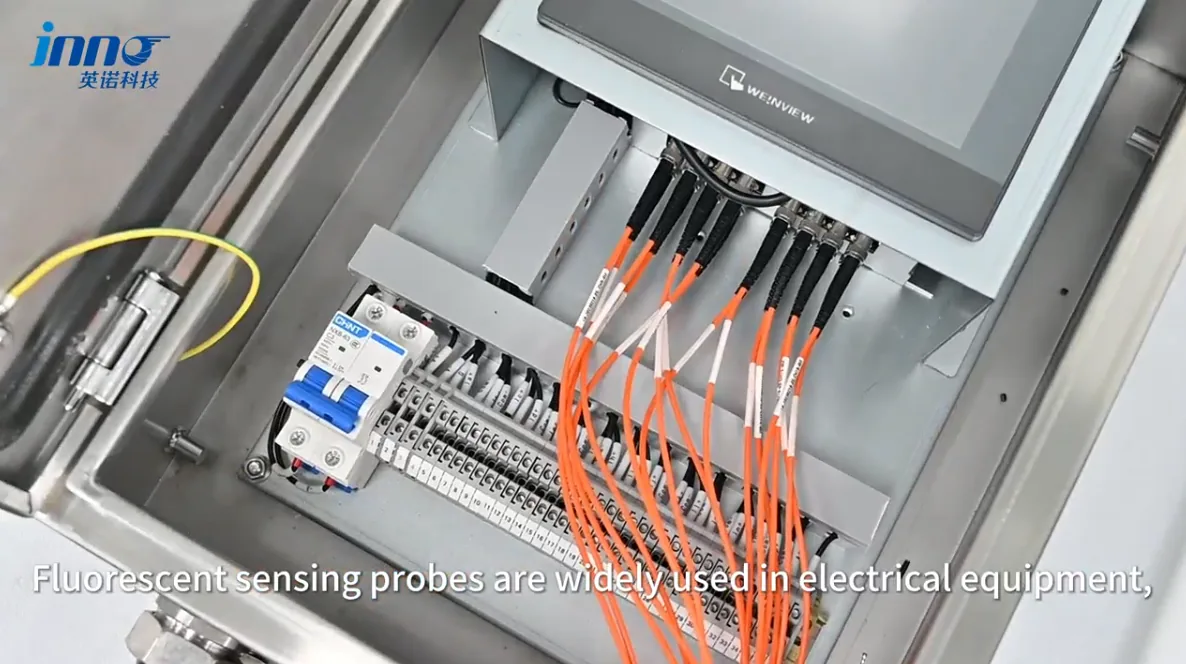
Learn how many fiber optic temperature sensors a transformer winding needs based on measurement points, phases, probe locations and active monitoring channels.

Compare estimated transformer winding temperature from a WTI with direct point measurement from embedded fiber optic temperature sensors.
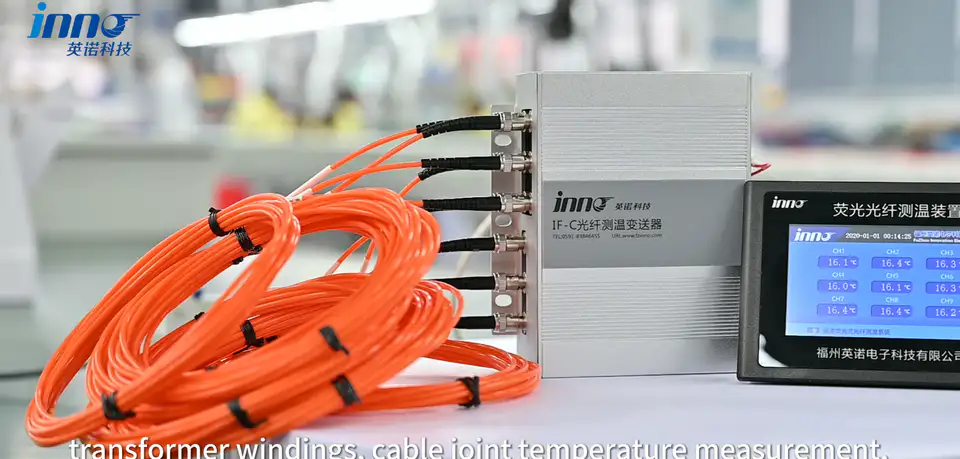
Learn what creates localized transformer winding hot spots and compare estimated hot-spot temperature with direct multi-point fiber optic monitoring.
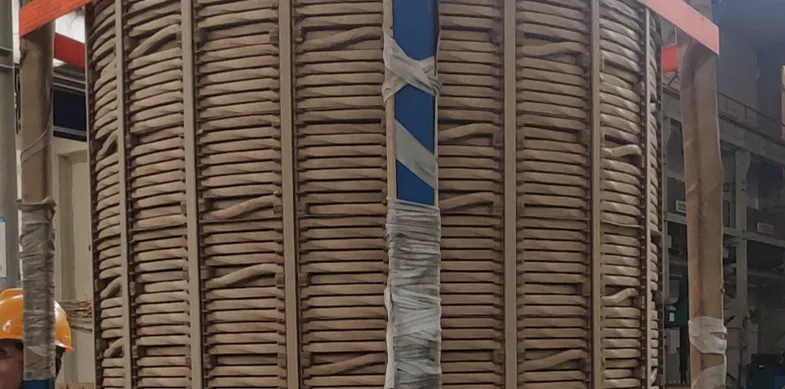
A practical overview of direct point measurement, optical probes and the factors that shape a transformer winding temperature plan.
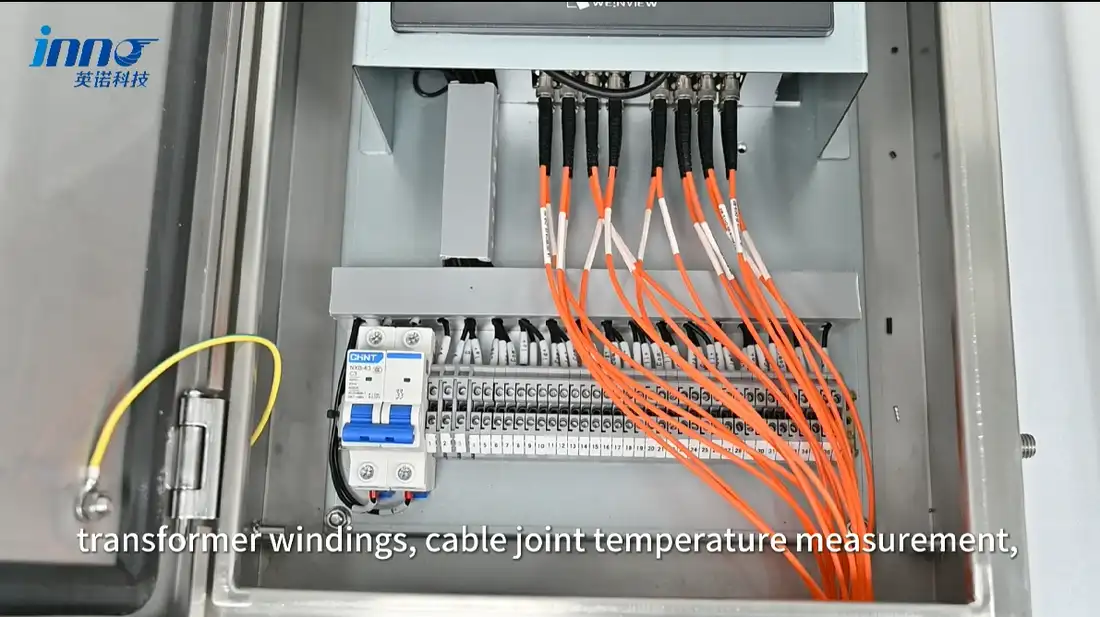
Learn how transformer thermal design, winding geometry and cooling determine fiber optic sensor placement for direct temperature monitoring.
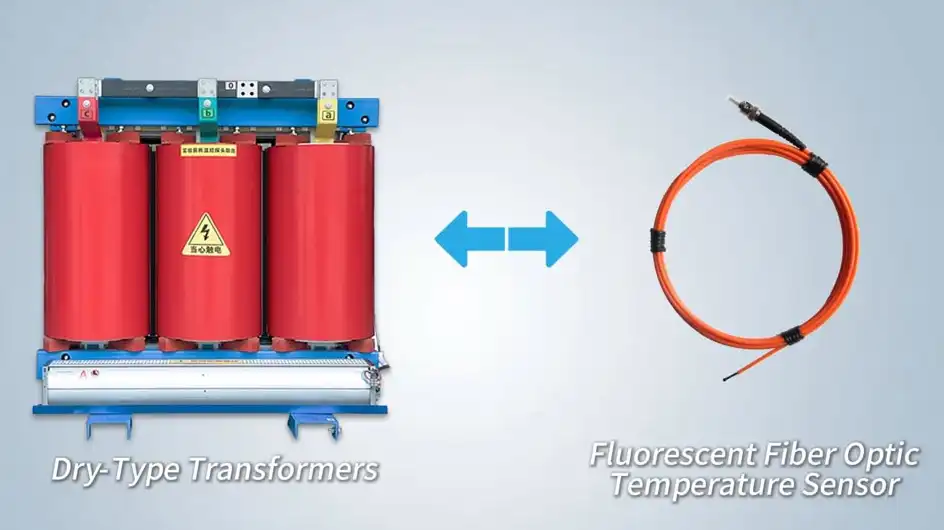
Oil-immersed and dry-type transformers do not use exactly the same temperature measurement approach because their insulation, cooling and winding structures are different.
Tell us your equipment type, measurement points, temperature range and monitoring requirements.