Custom Probe Configuration
Probe type, fiber length and connection options configured for the measurement point.
 info@innofj.comContact Engineering
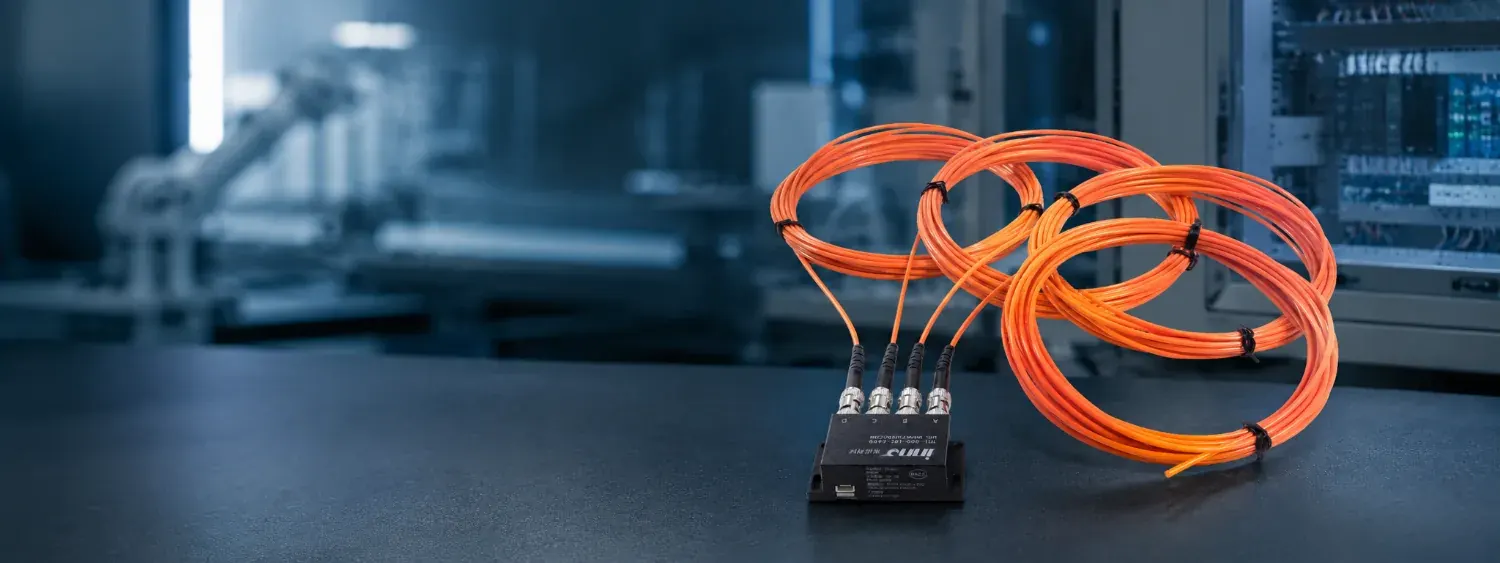
CUSTOM TEMPERATURE SENSING SOLUTIONS
INNO provides OEM and custom fluorescence fiber optic temperature sensing components for equipment manufacturers and system integrators requiring application-specific probes, modules or system configurations.
DESIGNED FOR YOUR APPLICATION
INNO manufactures fluorescence-based point sensing components around the selected measurement point and installation environment. A custom fiber optic temperature sensor can use an application-specific probe structure and fiber configuration.
Choose OEM fiber optic temperature sensing modules for customer equipment integration, or pair probes with compatible transmitters and monitoring systems. Channel count and RS485 / Modbus RTU integration depend on the selected hardware. Review the OEM requirements with INNO before defining the configuration.
Probe type, fiber length and connection options configured for the measurement point.
OEM modules for integration into customer equipment and monitoring devices.
Interfaces, connections and product configuration matched to the application.
APPLICATION-SPECIFIC CONFIGURATION
Probe type, fiber length, channel count, connections and installation options can be configured according to your application requirements.
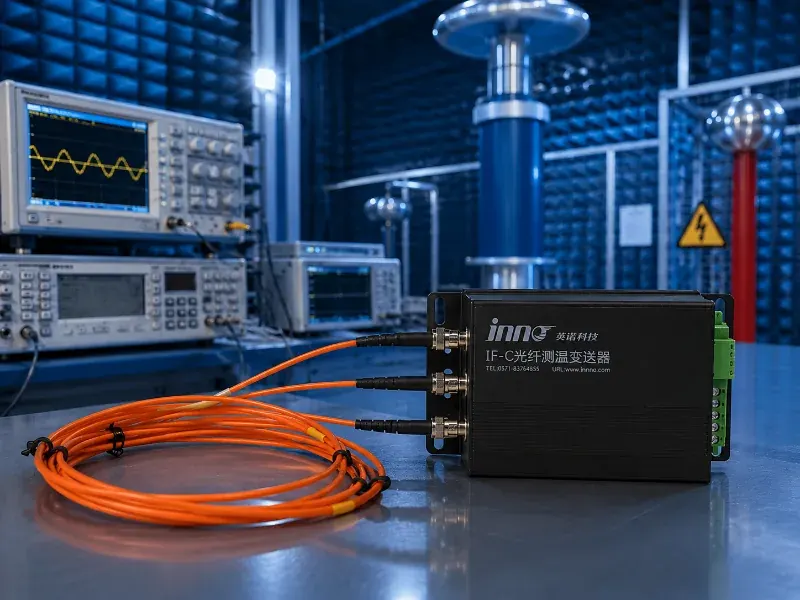
Probe type, sensing tip and fiber length.
Optical, electrical and communication interfaces.
Single- or multi-channel configurations.
Module form, connection and mounting options.
CUSTOM APPLICATIONS
Fiber optic temperature sensing can be configured for different equipment, installation conditions and measurement requirements.

Direct temperature measurement at selected winding and hot-spot locations.
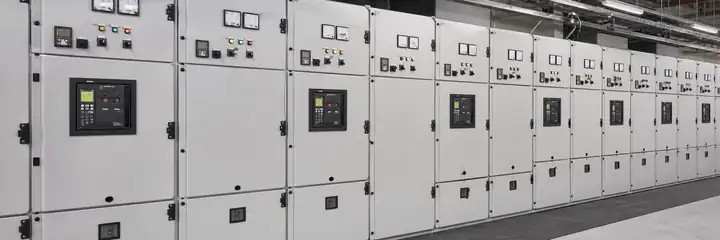
Measure connection, contact and busbar temperatures in high-EMI environments.
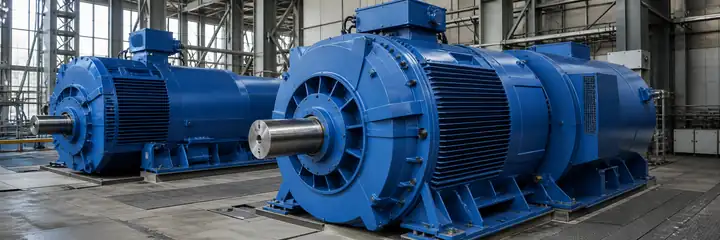
Measure winding, bearing and other selected temperature points in strong electromagnetic environments.
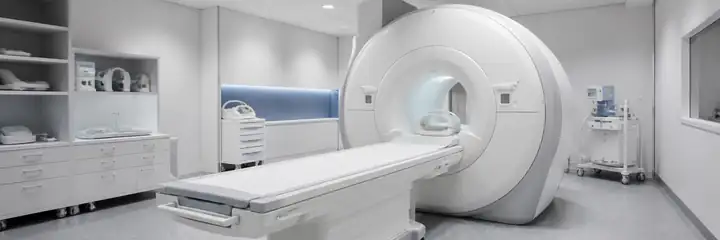
Temperature measurement for strong magnetic fields and electrically isolated applications.

Measure temperature in microwave, RF heating and related thermal processes.
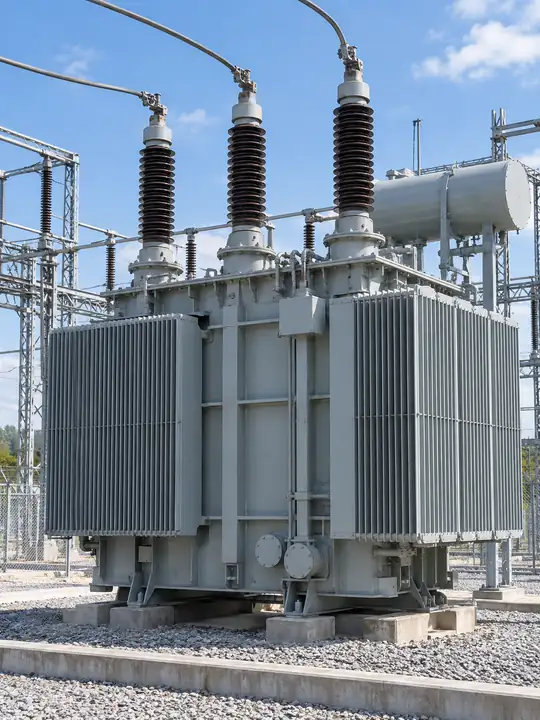
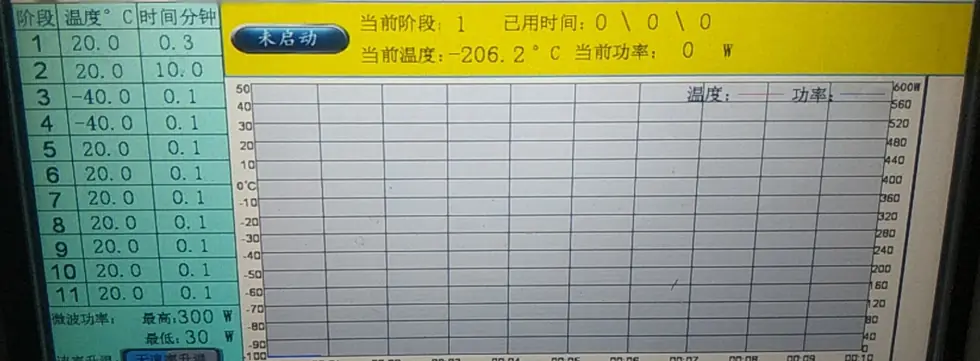
Electrically isolated temperature measurement for high-voltage testing and validation.
Tailor probes, cables and interfaces to mechanical and electrical constraints.
Use reviewed building blocks and proven configurations to move efficiently.
Select low-profile probes, modules and connectors for constrained spaces.
Support review with clear drawings, wiring information and records.
Coordinate repeatable builds and quality review for production programs.
Work directly with engineers from concept through production.
BUILT FOR REAL-WORLD EQUIPMENT APPLICATIONS
We build sensing solutions around the environment, constraints and measurement requirements of each application.

Monitor turbines, generators and switchgear in electrically demanding environments.
Embed compact and configurable temperature sensing into purpose-built equipment.

Coordinate temperature data with machines, controls and production processes.
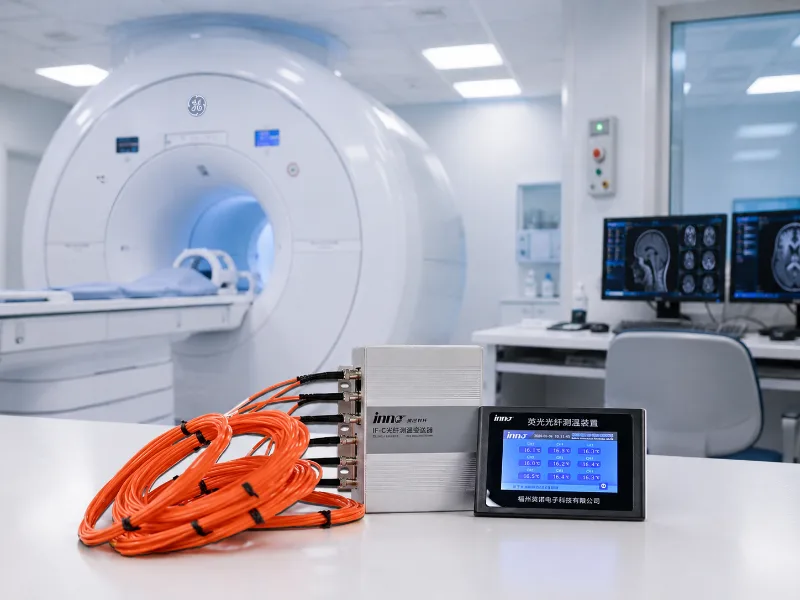
Configure precise sensing for experiments, validation and scientific equipment.
Support electrically isolated temperature measurement in medical and RF equipment.
Adapt sensing for ovens, furnaces and industrial heating systems.
Understand goals, environment, constraints and interfaces.
Select probes, electronics, connectors and enclosures.
Review compatibility, durability and expected performance.
Prepare the reviewed solution and coordinate ongoing support.
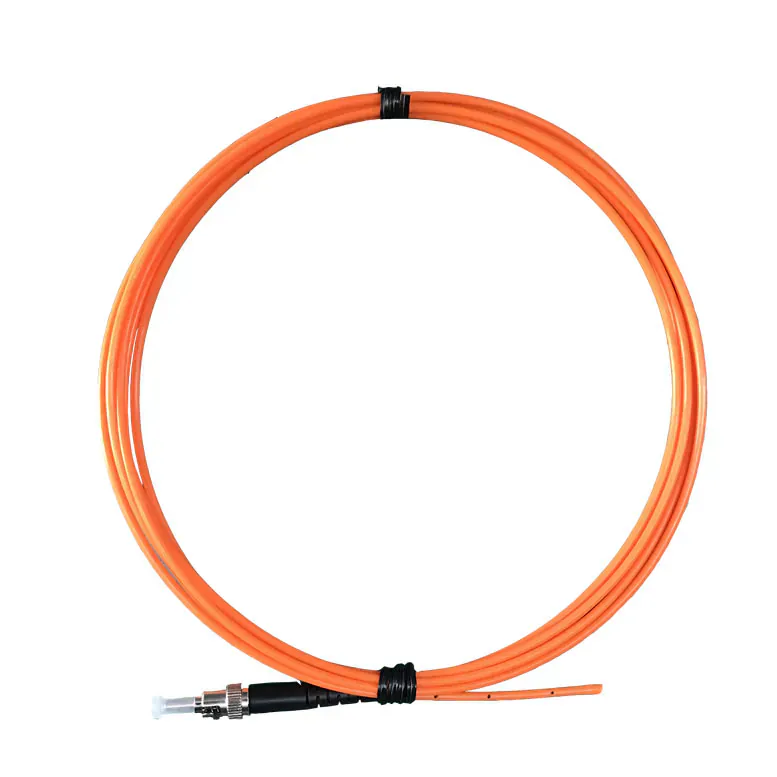
Tailored probe lengths, materials and terminations.
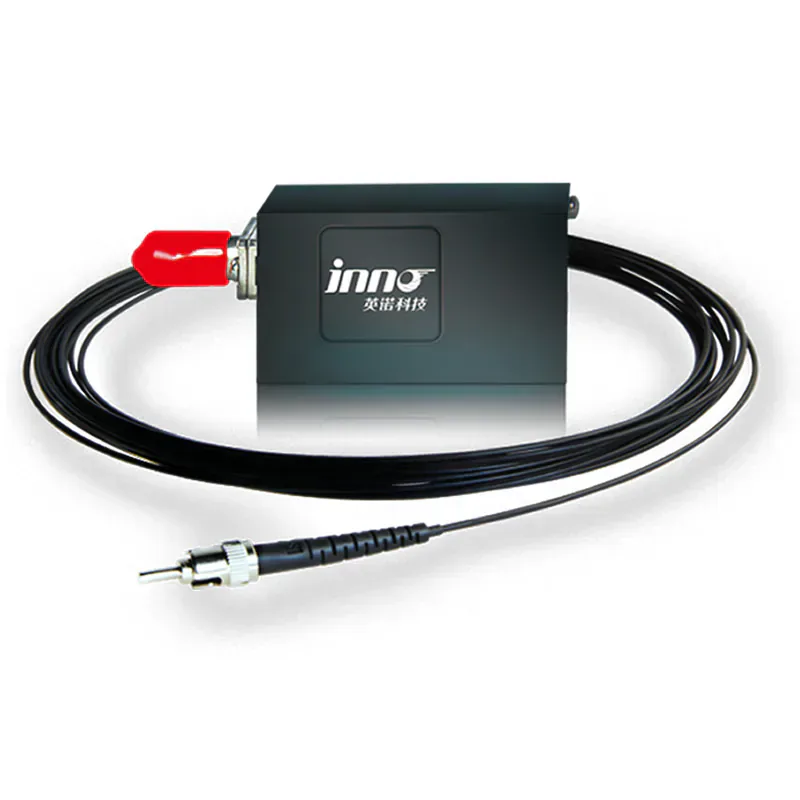
Compact acquisition modules for direct integration.
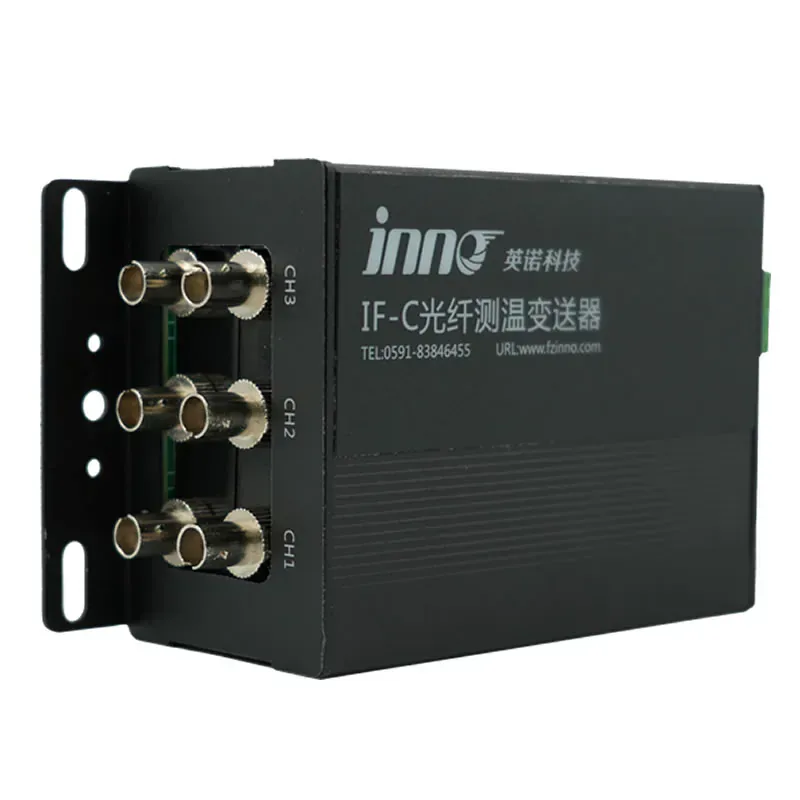
Hosts and displays for monitoring, logging and alarms.
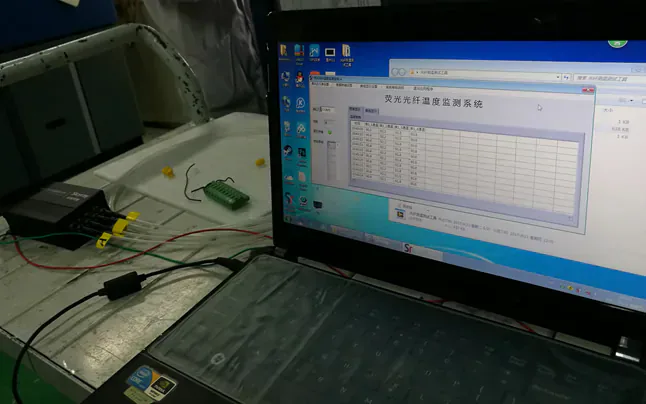
Pre-integrated systems reviewed for the equipment.
Share your equipment type, operating environment, installation constraints and customization goals. Our engineering team will review the requirements and recommend a suitable sensing approach.
Direct engineering reviewYour project is reviewed by application engineers.
Application-focused recommendationsMatch the sensing approach to the equipment and environment.
OEM integration guidanceCoordinate mechanical, electrical and system integration.
Production support planningReview the path from prototype to repeatable production.
We review the measurement point, environment, mechanical constraints, channel requirements, interfaces and expected operating workflow before recommending a configuration.
Share equipment drawings or photos, sensing locations, temperature range, cable routing, available space, connectors, outputs and installation conditions.
Channel arrangements can be reviewed around compatible probe types, independent measurement points and the selected monitoring platform.
Enclosures, labeling, mounting, connectors and documentation can be reviewed as part of an OEM project scope.
Lead time depends on design complexity, validation work, component availability and production quantity, and is reviewed after requirements are defined.
Typical projects include high voltage, strong EMI, RF, medical, laboratory, industrial heating and other applications where conventional electrical sensing is unsuitable.
Validation can include dimensional, interface and functional review against the agreed configuration and application requirements.
Engineering support can cover probe selection, mechanical fit, interface planning, channel mapping, documentation and commissioning coordination.
From probe design to integrated sensing systems, review a solution around your equipment and operating environment.